
Why Your Biggest Roadblocks Are Actually Your Greatest Progress
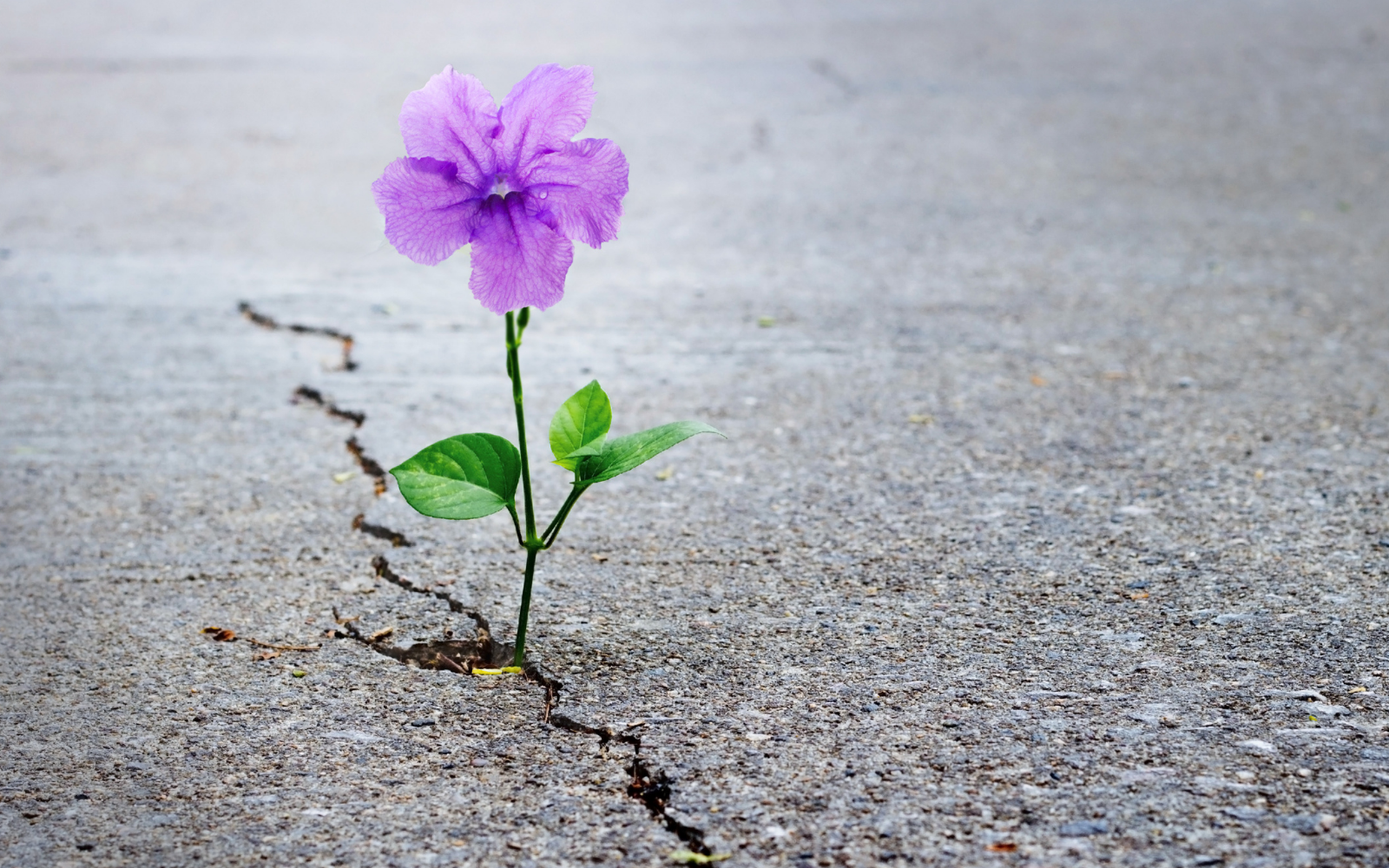
When you first hold a vision for what you want to build—whether it’s launching a new project, growing a practice, or navigating personal transformation—it’s easy to picture a clear, linear path. We map out steps A through Z, expecting steady forward momentum from concept to reality.
Then life happens. It zigs, zags, delays, detours. Plans hit unexpected detours. Self-doubt creeps in, and suddenly you find yourself pausing to question everything: What did I do wrong? Why is this failing?
If you’ve ever felt this way, you’re not alone. Just Human. Here’s the shift in perception we all need: what if those frustrating roadblocks aren't signposts of failure at all, but the very crucible where real progress and impact are created? Lessons learned and ready to apply, for even #Better results?
What You’ll Learn in This Post
• Why non-linear growth is normal: Discover why detours and delays are natural components of meaningful work rather than signs of failure.
• The four pillars of sustainable impact: How patience, learning, adaptation, and courage bridge the gap between vision and reality. Creating impact from re-energizing your purpose with lessons learned creates sustainable impact.
• How to regulate through uncertainty: How Emotional Freedom Techniques (EFT) can easily calm your nervous system when plans change, delay or doubt creeps in.
• Reframing friction as feedback: Strategies to stop viewing hurdles as threats and start using them as opportunities for clarity.
• Practical self-reflection tools: Key questions to help you process current challenges and keep moving forward with purpose.
Reframing the Detours
A vision is rarely a straight line. It morphs as you embrace the vision, then ‘real life’ supplies the delays and u-turns that can cause you to question the entire process.
As recently shared at Powering Purpose: The Impact Studio conference, the journey between a vision and its realized impact is built on four core pillars:
1 Patience — Giving your vision the space and time it needs to grow, even when progress feels invisible beneath the surface.
2 Learning — Viewing every friction point not as a dead end, but as valuable feedback about what needs adjusting.
3 Adaptation — Staying anchored to your core purpose while remaining flexible about how you get there.
4 Courage — Choosing to take the next small step forward, even when the path ahead isn't fully clear. Just one step more makes all the difference between being stuck and moving forward.
The truth is: Challenges along the way do not mean you are failing. Challenges are the PROCESS of finding success, in whatever way that is meaningful to you.
Regulating Through the Uncertainty (The EFT Perspective)
When our expectations hit ‘real life’ circumstances, our nervous system reacts first. Doubts, anxiety, and self-criticism create emotional noise, blocking our clarity and momentum.
This is precisely where EFT (Emotional Freedom Techniques) becomes the essential tool: Tapping helps clear the stress and self-doubt triggered by sudden shifts or delays, allowing us to move out of reactive stress and back into grounded, purposeful action.
When you calm the nervous system around a challenge, you stop viewing every hurdle as a threat—and start seeing it as the ground where your wisdom and resilience are built. And Tapping uncovers clarity from the clutter of over-thinking and pushback.
Frequently Asked Questions
Q1: How do I know if a challenge is part of the process or a sign I should pivot?
A1. A hurdle that is "part of the process" usually challenges your patience, stamina, or skill, but your core vision still feels aligned. If a path consistently drains your energy and no longer aligns with your values or purpose, it’s likely a sign you need to adapt your approach, pivot your goal or check in again on the original expectations - which feels most in need of revision.
Q2: How can EFT help when I feel stuck or overwhelmed by delays?
A2. EFT tapping lowers the physiological stress response in the brain, calming the amygdala’s threat response action and balancing the nervous system. By tapping on several specific meridian points while simply acknowledging your frustration, fears or worries, Tapping helps you quickly discharge the emotional distress, making room for clarity, creative problem-solving, and calm decision-making. It restores CHOICE to you, in taking that next action.
Q3: What is the first step to take when a project hits an unexpected roadblock?
A3. Pause and Tap to regulate your nervous system; this creates the space to respond instead of react. Can you acknowledge the frustration without judging yourself for it? What about telling yourself the Simple Truth? Once you are calm, ask: "What is this situation teaching me or asking me to adapt right now?"
Final Thoughts
Creating a meaningful impact almost never happens without bumps in the road. But it’s always about how you consciously choose to navigate those inevitable detours along the way. What if today your take-away was this?: What if every unexpected turn was an offer from the Universe to refine your vision, deepen your self-trust, and build true resilience from the journey? And when you’re ready for company on that journey, I’d like to be your choice of company. : )
If you're feeling stuck, facing an unexpected detour, or wanting to explore how Emotional Freedom Techniques can support your growth, let's talk.
Claim your Free Consultation to discuss your goals, clear emotional roadblocks, and map out your next aligned steps.
YOU MAY ALSO LIKE